
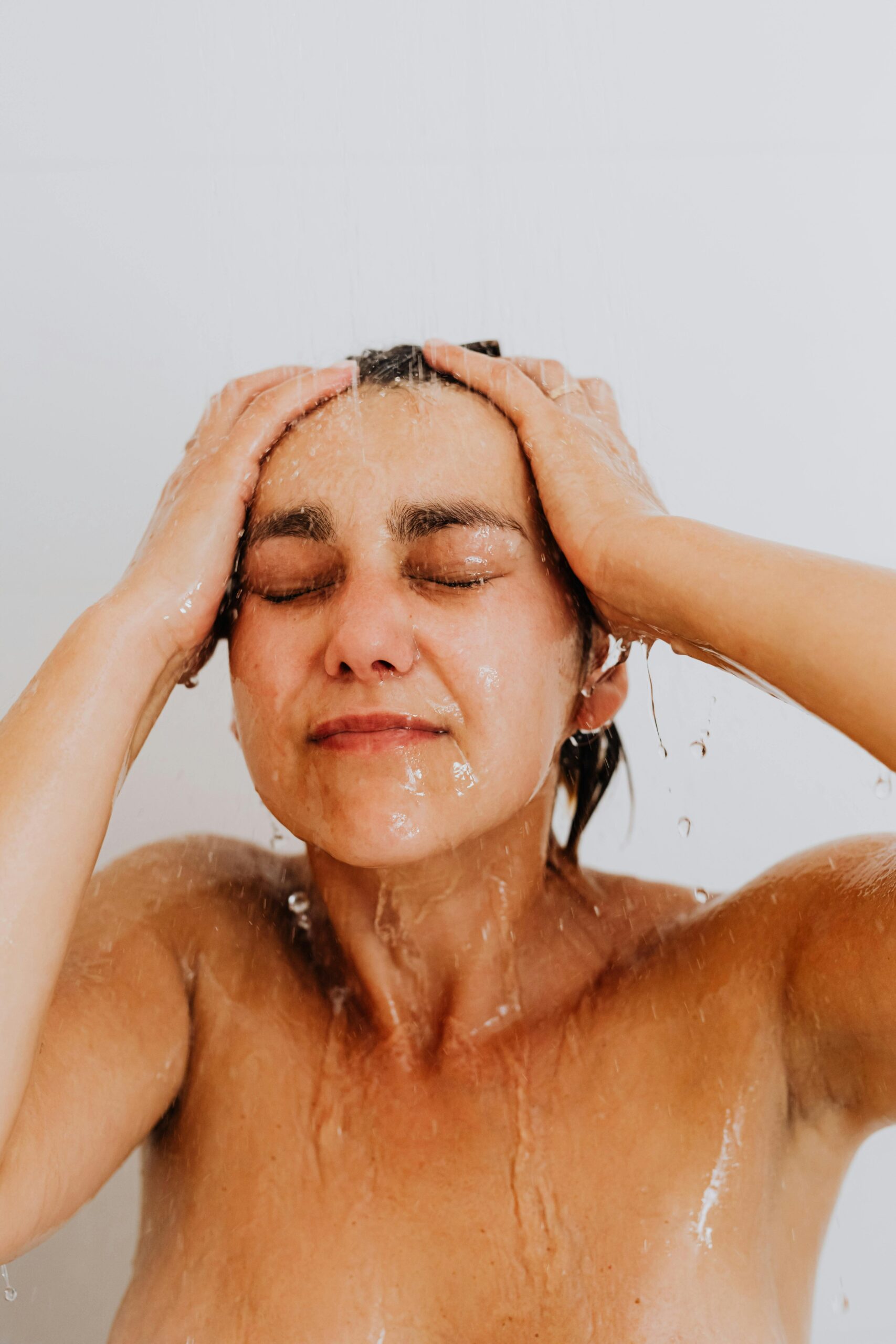
Cold Water Therapy and the Nervous System: What the Science Actually Says
This post contains affiliate links. If you buy something through one of them, we may earn a small commission — at no extra cost to you. We only recommend things we'd genuinely stand behind.
Cold water has become the wellness industry’s favourite thing. Some of the hype is justified. Here’s what’s real and what isn’t.

Cold water has had a remarkable few years. What was once the territory of Scandinavian winter swimmers and Wim Hof devotees has become mainstream wellness content, with cold plunges appearing in gyms, spas, and backyards, and breathless claims about dopamine, longevity, and mental health transformation following close behind.
Some of what’s being claimed is well-supported, some of it is extrapolated well beyond what the research actually shows, and some of the practice, particularly for certain people, carries risks that the enthusiasm tends to gloss over.
Here’s an attempt at a more accurate picture.
What cold water actually does to the nervous system
The immediate effect of cold water exposure is a sympathetic nervous system response. The cold shock response, you know that sharp intake of breath, the racing heart, the sense of alarm, that’s the body mobilising for threat. This is important to understand because it means that in the acute phase, cold water is activating, not calming.
What happens next is where it gets more interesting.
After the initial shock response, the body begins to adapt. The diving reflex, a hard-wired parasympathetic response that evolved for underwater survival, activates when the face is submerged or when cold water contacts the face and neck. Heart rate drops, the vagus nerve engages, and the body shifts toward parasympathetic dominance.
This is the mechanism behind cold water as a nervous system tool. It’s not primarily the cold itself, it’s the parasympathetic rebound that follows the initial activation. You go up sharply, and then you come down, often to a lower baseline than where you started.
With repeated practice, this rebound effect appears to improve vagal tone over time. The nervous system gets repeated practice at activating and recovering, which is the same mechanism that underlies HRV improvement through exercise. The window of tolerance widens not despite the discomfort but partly because of it.
What the research supports
The evidence for cold water exposure is more nuanced than either the enthusiasts or the sceptics tend to acknowledge.
Cold water immersion shows consistent effects on mood and subjective wellbeing in multiple studies, with particular support from research on outdoor cold water swimming. A 2023 study published in the journal Lifestyle Medicine found significant reductions in anxiety and depression symptoms in people who took up outdoor swimming over a twelve-week period. The mechanisms are thought to involve both the physiological effects on the autonomic nervous system and the psychological effects of voluntary engagement with discomfort.
HRV research on cold water exposure shows improvements in vagal tone with regular practice, consistent with the parasympathetic rebound mechanism described above. The effects are more pronounced with repeated exposure over weeks than with single sessions.
Dopamine is often cited in cold water content, and the research here is real but frequently overstated. Cold water exposure does produce a sustained increase in dopamine levels, lasting longer than the exposure itself, but the magnitude and implications of this effect are more modest than the social media version suggests.
The evidence for the more expansive claims, like longevity, fat loss, immune enhancement, and performance optimisation, is thinner and more mixed. Some signals, limited evidence.
The face specifically
Cold water on the face deserves its own mention because it’s the most accessible and one of the most physiologically potent applications.
The trigeminal nerve, which covers the face, has a particularly dense connection to vagal pathways. Splashing cold water on the face, holding a cold compress against the cheeks and forehead, or briefly submerging the face activates the diving reflex more rapidly and strongly than cold applied elsewhere on the body. This is why cold water on the face is one of the fastest available interventions for acute anxiety or panic. The parasympathetic response is fast and the equipment required is a sink.
This application has strong enough evidence and low enough barrier that it’s worth knowing about regardless of your views on cold plunging.
Who should be cautious
The enthusiasm around cold water therapy doesn’t always account for the people for whom it’s not appropriate or requires more care.
People with cardiovascular conditions should consult a doctor before cold water immersion. The cold shock response produces a rapid increase in heart rate and blood pressure that is generally well-tolerated by healthy people but can be problematic for those with existing cardiac conditions.
People with trauma histories, particularly those involving water, drowning, or suffocation, may find cold water exposure activating in a way that’s counterproductive. The cold shock response is a genuine threat response, and for a nervous system that is already calibrated toward hypervigilance, it can trigger rather than regulate. Starting with cold water on the face only, and very briefly, and with support, is a more cautious entry point if this applies.
People taking certain medications, including beta blockers and some antidepressants, may have altered responses to cold exposure. Worth checking with a prescriber.
Pregnant women should avoid cold water immersion.
Practical applications
Cold water on the face. The most accessible, fastest-acting application. Useful for acute anxiety, panic, or emotional flashbacks. Fill a bowl with cold water and briefly submerge your face, or splash cold water on your face and the back of your neck. Thirty seconds is enough.
Cold shower finish. Ending a shower with thirty to sixty seconds of cold water. The contrast between warm and cold amplifies the parasympathetic rebound. Less demanding than full immersion, accessible daily, and the research on habitual cold shower finishing and mood is reasonably positive.
Cold water swimming. The most researched application and, for many people, the most enjoyable. The combination of the cold water effects, the physical exercise, the outdoor environment, and often the social element of group swimming produces benefits that are likely more than the sum of their parts. If there’s a cold water swimming group accessible to you, the research suggests it’s worth trying.
Cold plunge. The most intense application. Two to four minutes at around 10-15°C appears to be the range most studied. Longer and colder isn’t necessarily better. The parasympathetic rebound happens within the first few minutes and extending the session beyond that adds stress without proportionally adding benefit.

The honest summary
Cold water exposure has real effects on the nervous system that are worth taking seriously. The parasympathetic rebound is physiologically genuine, the mood effects have reasonable research support, and the vagal tone improvements with regular practice are consistent with what we’d expect from the mechanism.
It’s not a cure. It’s not magic. It works best as part of a broader approach to nervous system health rather than as a standalone intervention, and it requires some care for people with certain health conditions or trauma histories.
But the face-in-cold-water technique for acute anxiety costs nothing and takes thirty seconds. That part is genuinely worth knowing.
Read next
- What Is the Vagus Nerve and Why Does It Matter?
- How to Stimulate Your Vagus Nerve at Home: 12 Science-Backed Ways
- Heart Rate Variability: What It Is and How to Improve It
SomaticGround.com explores the science of the nervous system and its connection to relationships, healing, and the embodied life. All content is for educational purposes and is not a substitute for professional medical or psychological care.